7 Sleep Myths That Are Ruining Your Rest (Debunked by Science)
You can't train yourself to need less sleep. Alcohol doesn't help you rest. And the '8 hours' rule isn't what you think. Here's what the research actually says.

By Dr. Sarah Mitchell
Key takeaways
- —Sleep needs are individual — but almost no one truly needs fewer than 7 hours
- —Many popular sleep beliefs are outdated or directly contradicted by modern research
- —Bad advice leads to bad habits, which leads to poor sleep quality
Myth 1: Everyone Needs Exactly 8 Hours
Reality: Sleep needs vary by person. The recommended range is 7-9 hours for adults, and where you fall in that range depends on genetics, activity level, and age. About 1-3% of people carry a gene variant that lets them function on 6 hours — but unless you've been genetically tested, you're probably not one of them.
The better metric: do you wake up feeling rested and maintain energy throughout the day without caffeine? If yes, you're getting enough. If not, you're probably not.
Myth 2: Alcohol Helps You Sleep
Reality: Alcohol helps you pass out. That's not the same as sleeping. It suppresses REM sleep (the stage your brain needs for emotional processing and creative thinking), increases nighttime awakenings in the second half of the night, and worsens sleep apnea.
A nightcap might knock you out faster, but the sleep you get will be shallow and fragmented. You'll wake up feeling like you barely rested — because you barely did.
Myth 3: You Can "Catch Up" on Weekend Sleep
Reality: You can partially recover from a bad night or two, but chronic sleep debt accumulates. Weekend catch-up sleep can help with acute tiredness, but research shows it doesn't reverse the metabolic, hormonal, and cognitive damage from weeks of undersleeping.
The fix isn't marathon sleep sessions on Sunday — it's consistent, quality sleep every night.
Myth 4: Snoring Is Just Annoying, Not Dangerous
Reality: Light, occasional snoring is usually harmless. But regular, loud snoring — especially with pauses in breathing — can be a sign of obstructive sleep apnea (OSA). Untreated OSA is linked to heart disease, stroke, diabetes, and cognitive decline.
If your partner tells you that you stop breathing during sleep, see a doctor. This isn't something to ignore.
Myth 5: A Firm Pillow Is Better for Your Neck
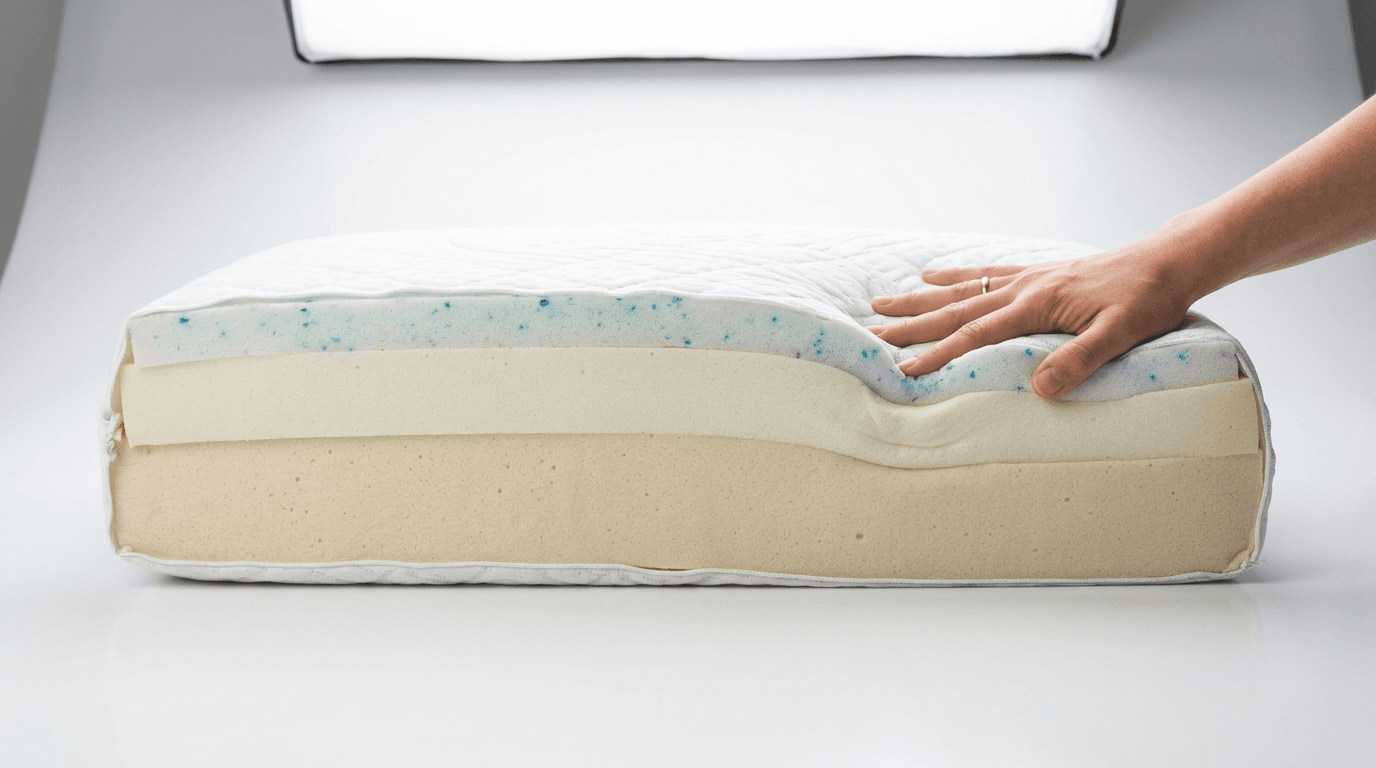
Reality: Firmness alone doesn't determine whether a pillow supports your neck properly. What matters is whether the pillow maintains your cervical spine in a neutral position — and that depends on the contour, loft, and your sleeping position, not just how firm it feels.
A rock-hard pillow can push your head up at an angle that's just as bad as a soft pillow that lets your head sink too low. The right pillow has the correct height and shape for your body and position — like The Sleepr's butterfly contour with dedicated zones for back, side, and stomach sleeping.
Myth 6: Watching TV Helps You Wind Down
Reality: The blue light from screens suppresses melatonin, and engaging content keeps your brain active when it should be shifting into sleep mode. Some people fall asleep with the TV on, but sleep studies show that the changing audio and light patterns cause micro-awakenings throughout the night. You're "asleep" but you're not getting deep, restorative rest.
If you need background noise, use a white noise machine. If you need a wind-down routine, try reading a physical book.
Myth 7: You Can Train Yourself to Need Less Sleep
Reality: You can get used to feeling tired. That's not the same as needing less sleep. Studies using objective performance tests show that people who claim to function fine on 5-6 hours still show measurable deficits in reaction time, decision-making, and memory — they've just stopped noticing how impaired they are.
Sleep isn't a luxury you can negotiate with. It's a biological requirement.
The bottom line
Good sleep starts with accurate information. Half the battle is unlearning the myths that lead to bad habits. The other half is getting the fundamentals right: consistent schedule, dark and cool room, and a pillow that actually supports your neck — not one that just felt nice in the store for 30 seconds.
6 min read